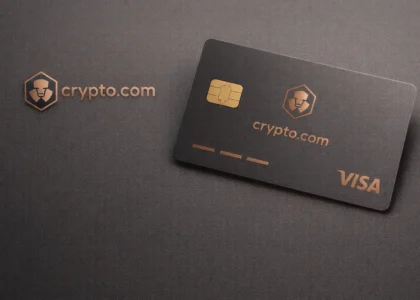

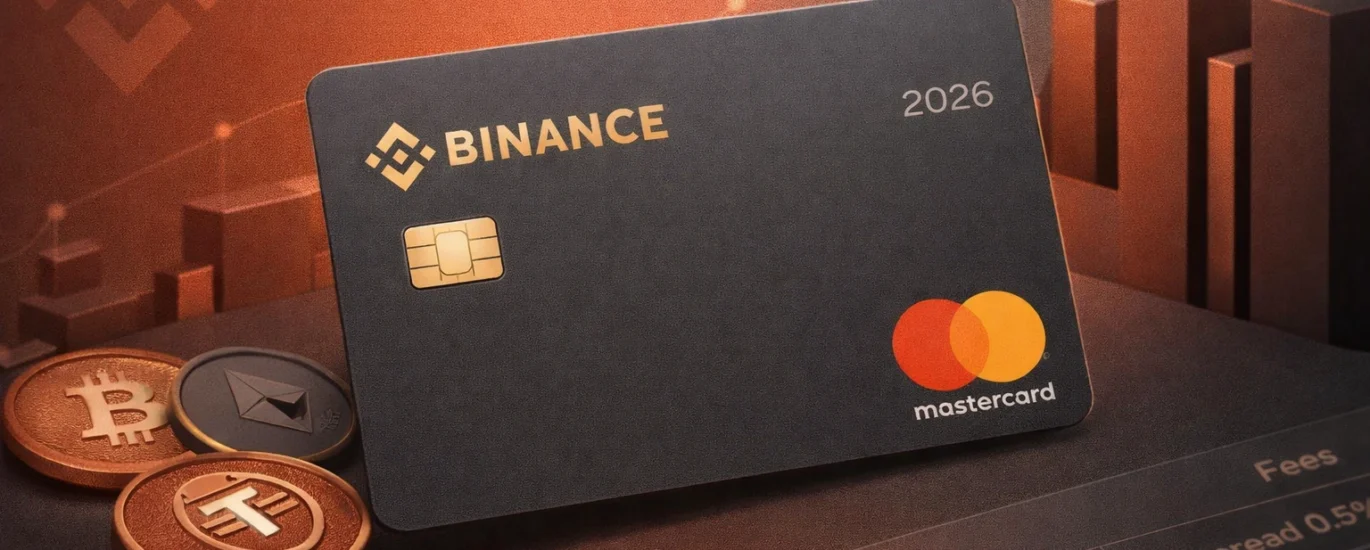
The Binance Card allows users to spend cryptocurrency in everyday purchases using the traditional Visa payment network. When a payment is made, the system automatically converts the selected crypto asset into fiat currency at the time of the transaction. This enables users to spend assets like USDT, BTC, ETH, or BNB without manually converting funds beforehand.
Understanding the real fees, spreads, and limits is essential before using the card regularly. While the Binance Card advertises low fees, the actual cost depends on multiple factors such as conversion spreads, ATM withdrawals, and cashback tier levels.
This guide breaks down all Binance Card costs in 2026, including hidden fees, exchange spreads, and withdrawal limits.
How Binance Card Fees Actually Work
Unlike traditional bank cards, the Binance Card operates through a crypto conversion model. When a transaction is made, Binance sells the crypto asset in the user’s funding wallet and settles the payment through the Visa network.
The fee structure is divided into three categories:
| Fee Type | Typical Cost | Notes |
|---|---|---|
| Card issuance | Free | Virtual card |
| Monthly fee | $0 | No maintenance fee |
| Transaction fee | 0% | When spending crypto |
| ATM withdrawal | ~0.9% | After free limits |
| FX spread | 0.2% – 0.9% | Depends on liquidity |
The largest hidden cost is usually the conversion spread, which is the difference between the market price and the execution price during the crypto-to-fiat conversion.
Binance Card Cashback Structure
One of the main reasons users choose the Binance Card is the crypto cashback rewards. Rewards are typically paid in BNB tokens and depend on the user’s BNB holdings.
| BNB Balance | Cashback Rate |
|---|---|
| 0 BNB | 0% |
| 1 BNB | 2% |
| 10 BNB | 3% |
| 40 BNB | 4% |
| 100 BNB | 5% |
| 600 BNB | 6% |
| 2000+ BNB | up to 8% |
Example spending simulation:
| Monthly Spend | Cashback 2% | Cashback 5% |
|---|---|---|
| $1,000 | $20 | $50 |
| $5,000 | $100 | $250 |
| $10,000 | $200 | $500 |
Binance Card Spending Limits
Binance applies daily and monthly spending limits to prevent abuse and fraud.
| Limit Type | Amount |
|---|---|
| Daily spending | $8,700 |
| Monthly spending | $87,000 |
| ATM withdrawal per day | $290 |
| ATM withdrawal monthly | $2,900 |
These limits may vary depending on region and account verification level.
ATM Withdrawal Fees
Withdrawals from ATMs are allowed but include additional costs.
| Withdrawal Amount | Fee |
|---|---|
| First monthly withdrawals | Free up to small limits |
| After threshold | ~0.9% |
| International ATM | Additional network fees |
Simulation example:
| ATM Withdrawal | Fee 0.9% |
|---|---|
| $100 | $0.90 |
| $500 | $4.50 |
| $1000 | $9 |
Real Cost Simulation
A common question is how much the Binance Card actually costs in real usage.
Example scenario:
User spends $3,000 per month in USDT
| Component | Cost |
|---|---|
| Conversion spread (0.5%) | $15 |
| Card fee | $0 |
| ATM withdrawals | $0 |
| Total cost | $15 |
If the user receives 2% cashback, the net result becomes:
| Cashback | $60 |
| Cost | $15 |
| Net gain | $45 |
This is why many users consider crypto debit cards financially attractive.
Supported Assets for Spending
The Binance Card allows spending several cryptocurrencies.
| Asset | Supported |
|---|---|
| USDT | Yes |
| BTC | Yes |
| ETH | Yes |
| BNB | Yes |
| BUSD (legacy) | Limited |
Stablecoins are typically preferred due to lower volatility during transactions.
Binance Card vs Traditional Bank Cards
| Feature | Binance Card | Bank Card |
|---|---|---|
| Maintenance fee | $0 | $5–$15 |
| International payments | Low spread | FX 2–3% |
| Cashback | up to 8% | 1–2% |
| Crypto spending | Yes | No |
Read More…https://damadefi.com/binance-card-review-2026-fees-cashback-and-hidden-costs/
When the Binance Card Is Worth Using
The card becomes particularly efficient in the following scenarios:
• spending stablecoins
• earning cashback rewards
• avoiding international wire fees
• traveling with crypto assets
However, users must monitor conversion spreads during volatile markets.
Key Risks
Even though the Binance Card is convenient, there are risks.
| Risk | Explanation |
|---|---|
| Crypto volatility | Asset value may change during spending |
| Exchange custody | Funds remain on exchange |
| Regulatory changes | Card availability varies by region |
For these reasons many users maintain only spending balances on the card wallet.
FAQ – Binance Card (30 Questions)
1. What is the Binance Card?
A crypto debit card that allows spending digital assets through the Visa payment network.
2. Is the Binance Card free?
Yes, the virtual card has no issuance or monthly maintenance fee.
3. Does Binance charge transaction fees?
Standard purchases have no direct fee, but conversion spreads apply.
4. What is the conversion spread?
The difference between market price and execution price when converting crypto to fiat.
5. Which cryptocurrencies can be spent?
BTC, ETH, USDT, and BNB are commonly supported.
6. Is cashback guaranteed?
Cashback depends on BNB holdings and promotional programs.
7. How is cashback paid?
Rewards are usually paid in BNB.
8. Is the Binance Card Visa or Mastercard?
Most versions operate on the Visa network.
9. Can I withdraw cash at ATMs?
Yes, but withdrawal limits and fees apply.
10. What is the ATM fee?
Approximately 0.9% after free thresholds.
11. Is there a monthly spending limit?
Yes, typically around $87,000.
12. What is the daily spending limit?
Around $8,700 depending on verification level.
13. Can I use the card internationally?
Yes, wherever Visa payments are accepted.
14. Does the card support Apple Pay?
Availability depends on the region.
15. Is KYC required?
Yes, identity verification is required.
16. Can stablecoins be used?
Yes, USDT is commonly used for spending.
17. What happens during high volatility?
The crypto is converted at market execution price.
18. Are there inactivity fees?
No inactivity fee is currently charged.
19. Can I hold multiple assets?
Yes, the funding wallet can contain several assets.
20. Does the card work with Binance Pay?
Yes, both systems can be used together.
21. Can cashback rates change?
Yes, depending on promotions and BNB holdings.
22. Is the Binance Card available worldwide?
No, availability depends on regulatory approval.
23. Is the card secure?
It uses standard Visa payment security protocols.
24. Can the card be frozen?
Yes, users can freeze the card in the Binance app.
25. Can the card be used online?
Yes, for e-commerce purchases.
26. What happens if a payment fails?
The transaction is rejected and no crypto is converted.
27. Are there exchange risks?
Yes, since funds remain on the exchange.
28. Can businesses use the card?
Primarily designed for individual users.
29. Can rewards be withdrawn?
Yes, cashback rewards can be transferred or traded.
30. Is the Binance Card worth it?
For users spending stablecoins or earning cashback, it can be a useful payment tool.