Binance Card Global Guide 2026: The Industrial Cost of Financial Friction
The global financial landscape of 2026 is no longer divided by borders, but by the efficiency of the rails your capital travels on. For the sovereign individual, using a traditional banking debit card while traveling between hubs like Dubai, Singapore, or New York is an exercise in invisible wealth erosion. Between hidden FX spreads, international service fees, and the slow settlement of legacy systems, the “cost of being global” can reach staggering levels over a decade. This guide dissects the mathematical reality of switching to a crypto-native payment infrastructure.
Navigating the world with a Binance Card—or its regional alternatives—is not just about the convenience of spending Bitcoin at a merchant; it is about reclaiming the 3% to 5% usually lost to banking intermediaries. In jurisdictions like the UAE, where the regulatory fortress of VARA provides air-tight security, this efficiency is maximized. When your capital moves at the speed of a blockchain rather than the speed of a correspondent bank, your purchasing power is preserved in its purest form.
However, the global availability of these tools is a shifting mosaic of compliance. While some regions offer unrestricted access, others like the United States require a deep understanding of the structural divide between local and global platforms. This is why a strategic audit of where you spend and how you convert is essential for any high-net-worth portfolio. Understanding these friction points is the difference between a portfolio that compounds and one that leaks value.
The true impact of financial friction is only visible through the lens of time. A small monthly fee or a 2% “international transaction” charge might seem negligible in a single transaction, but when projected over 5 to 10 years, it represents a significant loss of opportunity. By utilizing the Binance ecosystem, users can effectively “bypass” these legacy tolls, reinvesting that saved friction back into high-yield strategies like the PMMC to accelerate their path to $400k and beyond.
Ultimately, sovereignty is measured by the percentage of your wealth that you actually control. In an era of digital surveillance and aggressive fiscal policies, the ability to settle value through a decentralized exchange (DEX) or a licensed global hub like Binance is the ultimate safety protocol. This article provides the industrial-grade data you need to stop the “leak” in your finances and start spending with the efficiency of a 2026 sovereign investor.
1. The Mathematics of Friction: 10-Year Fee Projection
Below is a detailed analysis of how traditional banking fees (avg. 3% including FX spreads) compare to a optimized crypto-spending strategy over long horizons.
Spending Comparison Table (Legacy vs. Crypto)
Monthly Spend
Annual Friction (3%)
5-Year Loss
10-Year Opportunity Cost*
$20
$7.20
$36.00
**$120.00**
$500
$180.00
$900.00
**$3,000.00**
$1,000
$360.00
$1,800.00
**$6,100.00**
$5,000
$1,800.00
$9,000.00
**$30,500.00**
*Note: Opportunity cost assumes the saved fees are reinvested at a conservative 8% APR.
Detailed Analysis:
The $20 Micro-User: Even at small scales, the “minimum fees” of traditional banks often exceed 3%. By using crypto-native rails, you save enough over 10 years to fund a high-tier hardware wallet or a new digital asset position.
The $5,000 High-Tier Spender: For the “Dama” lifestyle—traveling between Dubai and Singapore—the savings are massive. Over 10 years, you are essentially “losing” a luxury car ($30,500) just in banking fees. Using the Binance ecosystem in a crypto-friendly hub like the UAE is a mandatory move for wealth preservation.
The efficiency of your Binance Card is directly tied to the regulatory health of your home base.
Dubai (The Sanctuary): With VARA oversight, the bridge between your BTC Options yield and your daily spending is seamless. There is no capital gains tax on the conversion, making every dollar spent 15-30% more effective than in high-tax zones.
The Restricted Zone: In regions like Singapore or the US, the “cost” includes the time spent on compliance and the risk of account freezes.
✨ Olá! Eu sou a Jucely Damásio, mente inquieta por trás do canal Dama DeFi. Engenheira de profissão e apaixonada por finanças descentralizadas, encontrei no Bitcoin uma revolução silenciosa — e poderosa! 🚀
Aqui, compartilho minha jornada real: de uma pessoa comum construindo liberdade financeira com DCA diário (sim, compro BTC todos os dias — nem que seja $10 💸). Misturo aprendizados de livros como Pai Rico, Pai Pobre e Do Zero ao Milhão, com estratégias do mundo cripto como opções de BTC, blogs e renda digital.
Acredito que qualquer pessoa pode transformar a vida com tempo, estudo, disciplina e constância. Vem comigo descomplicar o mundo dos ativos digitais e provar que não é preciso ser gênio, herdeiro ou insider pra começar. É só dar o primeiro passo. 😉
#GastarBem #InvestirMelhor #GanharMais #DamaDeFi
Dama Talks | Lucros & Prejuízos
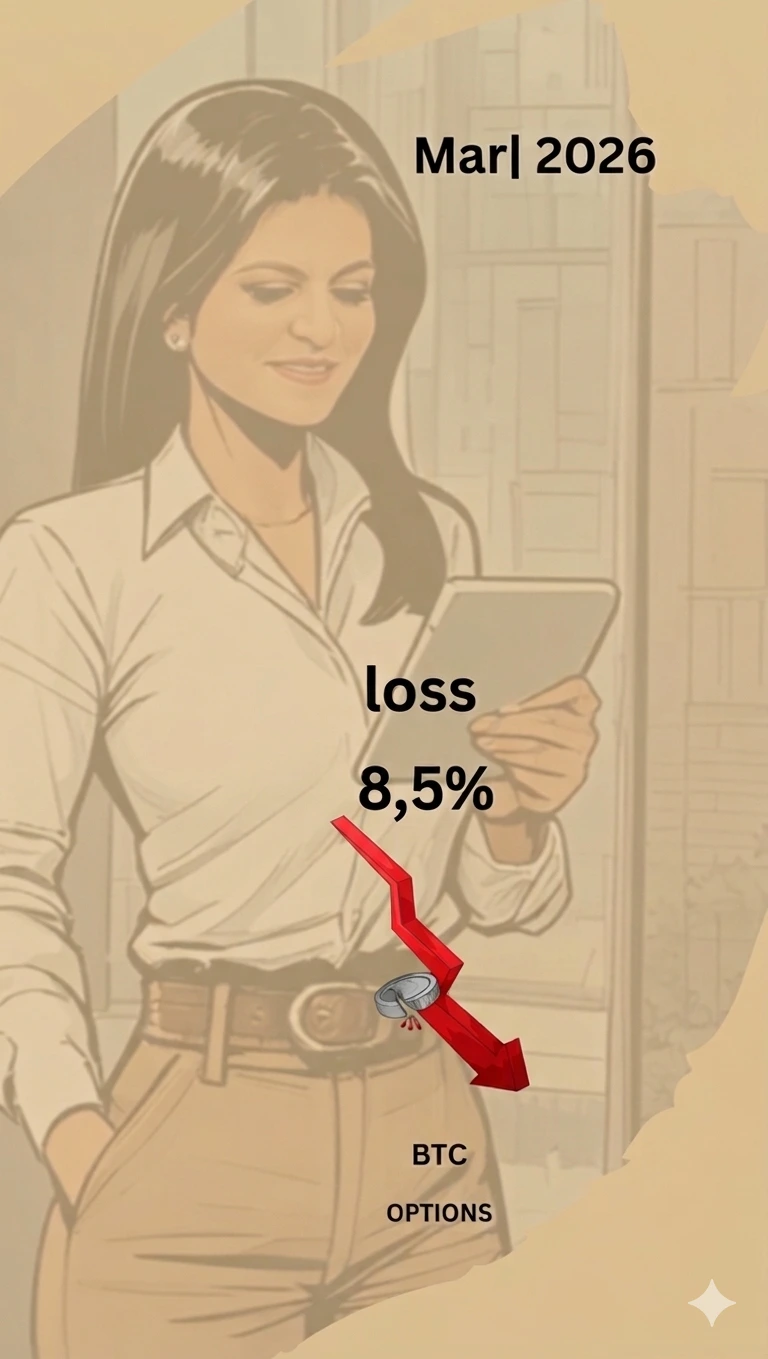
Dama Talk — Março 2026
Transparência e o Prejuízo de 8,5% no Capital BTC Options Loss Report
Nós utilizamos cookies para garantir que você tenha a melhor experiência em nosso site. Se você continua a usar este site, assumimos que você está satisfeito.