Best Network for USDT Transfers (Ethereum vs Tron vs Solana) [2026 Guide]
Introduction
Choosing the right network for USDT transfers is one of the most important — and most misunderstood — decisions in crypto.
Many users lose money not because of bad investments… but because they pick the wrong network.
The truth is simple: 👉 USDT is the same asset — but the network changes everything.
Fees, speed, reliability, and even usability depend entirely on whether you use:
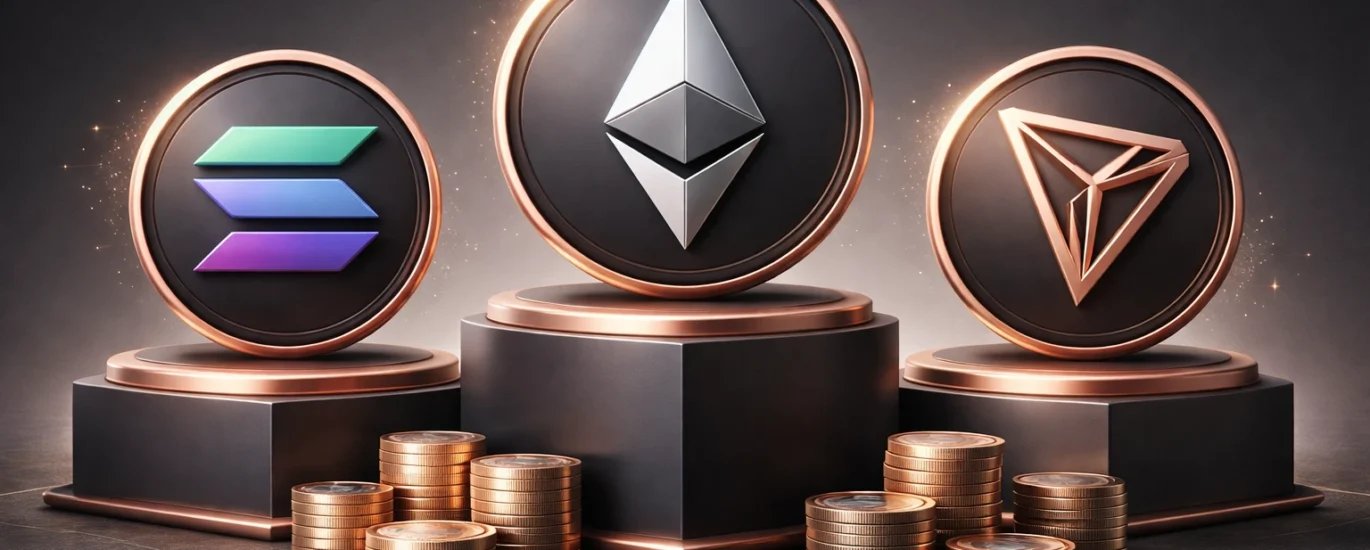
Ethereum (ERC20)
Tron (TRC20)
Solana
In this guide, you’ll understand exactly which network is best for your use case, and how to avoid the most common (and costly) mistakes.
What Does “USDT Network” Actually Mean?
USDT doesn’t exist on just one blockchain.
Instead, it operates across multiple networks — each with its own infrastructure.
👉 This is called a multi-chain asset
That means:
Same value ($1 = 1 USDT)
Different rails (networks)
Different costs and performance
⚠️ Critical Rule
If you send USDT on the wrong network, you can lose your funds permanently.
Overview: Ethereum vs Tron vs Solana
Before going deep, here’s the quick positioning:
Network
Best For
Ethereum
DeFi, security, liquidity
Tron
Cheap transfers, exchanges
Solana
Speed, ultra-low fees
💸 Fees Comparison
Ethereum (ERC20)
Typical fee: $3 – $20+
Can spike during congestion
Paid in ETH
👉 Most expensive option
Tron (TRC20)
Typical fee: <$1
Stable and predictable
Paid in TRX
👉 Most used for transfers
Solana
Typical fee: ~$0.00025 – $0.01
👉 Cheapest network available
📊 Fee Insight Box
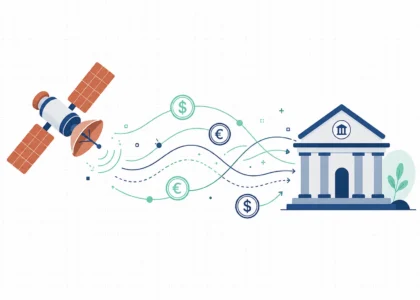
▢ USDT vs Bank Wire Transfer Even the most expensive crypto network (Ethereum) is still significantly cheaper than traditional bank wires — but choosing the right network can reduce costs by 99%.
⚡ Speed Comparison
Tron
Few seconds to minutes
High throughput (~2000 TPS)
Ethereum
10 seconds to several minutes
Slower under congestion
Solana
Sub-second to seconds
Extremely high performance
👉 Designed for speed-first architecture
⚡ Speed Insight
Solana is fastest → Tron is stable → Ethereum is slower but more robust
▢ Crypto Card Fees & Hidden Costs The network you choose directly impacts how much you lose in spreads and conversion — especially when using crypto cards.
🌍 Real Use Cases
When to Use Ethereum (ERC20)
DeFi platforms (Uniswap, Aave)
Large transactions
Institutional use
👉 Strongest ecosystem
When to Use Tron (TRC20)
Exchange transfers
Freelance payments
International remittances
👉 Most practical choice for daily use
When to Use Solana
High-frequency transactions
Micro-payments
Trading and speed-critical use
📉 Real Cost Simulation
Sending $1,000 in USDT
Network
Fee
Time
Final Received
Ethereum
$10–$20
Minutes
~$980–$990
Tron
~$1
Seconds
~$999
Solana
<$0.01
Seconds
~$999.99
🔥 Insight
Choosing the wrong network can cost you 10–100x more — for the same transaction.
🔐 Security & Risk
Network
Security Level
Risk Profile
Ethereum
Very high
Low risk
Tron
Medium
Moderate
Solana
High speed focus
Emerging risk
⚠️ Critical Risk
Networks are NOT interchangeable. TRC20 ≠ ERC20 ≠ Solana
🌐 Cluster Insight Box
▢ How Crypto Cards Convert USDT to Fiat Behind the scenes, network selection affects conversion speed, fees, and approval rates during payments.
Final Verdict
Best Overall Network → Tron (TRC20)
Best balance of cost + speed
Best for DeFi → Ethereum (ERC20)
Deepest liquidity
Fastest & Cheapest → Solana
Ultra-low fees and speed
🧠 Strategic Takeaway
👉 Use Tron for transfers 👉 Use Ethereum for DeFi 👉 Use Solana for speed
Conclusion
USDT is powerful — but only if you use the right network.
The biggest mistake beginners make is thinking all USDT transfers are the same.
They’re not.
And in 2026, understanding this difference is no longer optional — it’s a competitive advantage.
Daily DCA Simulation: Which Network Eats Your Capital?
If you apply a daily DCA strategy using USDT, the network you choose is not a detail…
👉 It becomes a hidden tax on your accumulation.
Let’s simulate a real scenario to understand this clearly.
🎯 Scenario: Daily DCA with USDT
Daily investment: $10
Period: 365 days
Total invested: $3,650
Now we compare how much you lose in fees depending on the network.
💸 Average Network Fees (Realistic Range)
Network
Avg Fee per Transaction
Ethereum
$2 – $20
Tron
$1 – $3
Solana
<$0.01
👉 Fees vary depending on congestion and network design
📉 Simulation 1: Ethereum (ERC20)
Metric
Value
Daily fee (avg)
$5
Monthly cost
$150
Annual cost
$1,825
Total invested
$3,650
Effective invested
$1,825
⚠️ Ethereum Insight
You lose ~50% of your capital just in fees.
Ethereum was not designed for micro-transactions.
📉 Simulation 2: Tron (TRC20)
Metric
Value
Daily fee (avg)
$1.5
Monthly cost
$45
Annual cost
$547
Total invested
$3,650
Effective invested
$3,103
⚡ Tron Insight
Tron is viable — but still expensive for daily DCA.
📉 Simulation 3: Solana
Metric
Value
Daily fee (avg)
$0.005
Monthly cost
$0.15
Annual cost
$1.80
Total invested
$3,650
Effective invested
$3,648.20
🚀 Solana Insight
Fees are almost irrelevant — ideal for high-frequency DCA.
Solana fees are typically fractions of a cent due to its high-throughput design
📊 Full Comparison
Network
Annual Fees
% Lost
Final Invested
Ethereum
$1,825
50%
$1,825
Tron
$547
15%
$3,103
Solana
$1.80
0.05%
$3,648
🔥 The Hidden Truth About DCA
DCA only works if your fees are close to zero.
Otherwise:
You are not compounding
You are leaking capital daily
🧠 Strategic Insight (Cluster Connection)
▢ USDT vs Bank Wire Transfer Even though USDT is cheaper than banks, choosing the wrong network can still destroy your efficiency — just slower.
💡 What Smart Investors Do
Instead of doing daily DCA on expensive networks:
👉 They optimize:
Use low-fee networks (Solana / Tron)
Batch transactions when needed
Or accumulate off-chain, then deploy
🧠 Dama DeFi Insight
Your strategy is not just what you buy. It’s how efficiently you execute it.
Bitcoin DCA Challenge — Day 428. Fourteen months buying Bitcoin every single day as part of the long-term accumulation strategy.
🚀 Minimalist CTA — Daily DCA Strategy
🟢 Build Your Bitcoin Position — One Day at a Time
Not with emotion. Not with timing. But with consistency.
👉 Real accumulation is engineered — not improvised.
💡 Start here:
▢ 428 Days Buying Bitcoin — Engineering Accumulation A real journey of daily DCA, discipline, and long-term thinking.
✨ Olá! Eu sou a Jucely Damásio, mente inquieta por trás do canal Dama DeFi. Engenheira de profissão e apaixonada por finanças descentralizadas, encontrei no Bitcoin uma revolução silenciosa — e poderosa! 🚀
Aqui, compartilho minha jornada real: de uma pessoa comum construindo liberdade financeira com DCA diário (sim, compro BTC todos os dias — nem que seja $10 💸). Misturo aprendizados de livros como Pai Rico, Pai Pobre e Do Zero ao Milhão, com estratégias do mundo cripto como opções de BTC, blogs e renda digital.
Acredito que qualquer pessoa pode transformar a vida com tempo, estudo, disciplina e constância. Vem comigo descomplicar o mundo dos ativos digitais e provar que não é preciso ser gênio, herdeiro ou insider pra começar. É só dar o primeiro passo. 😉
#GastarBem #InvestirMelhor #GanharMais #DamaDeFi
Dama Talks | Lucros & Prejuízos
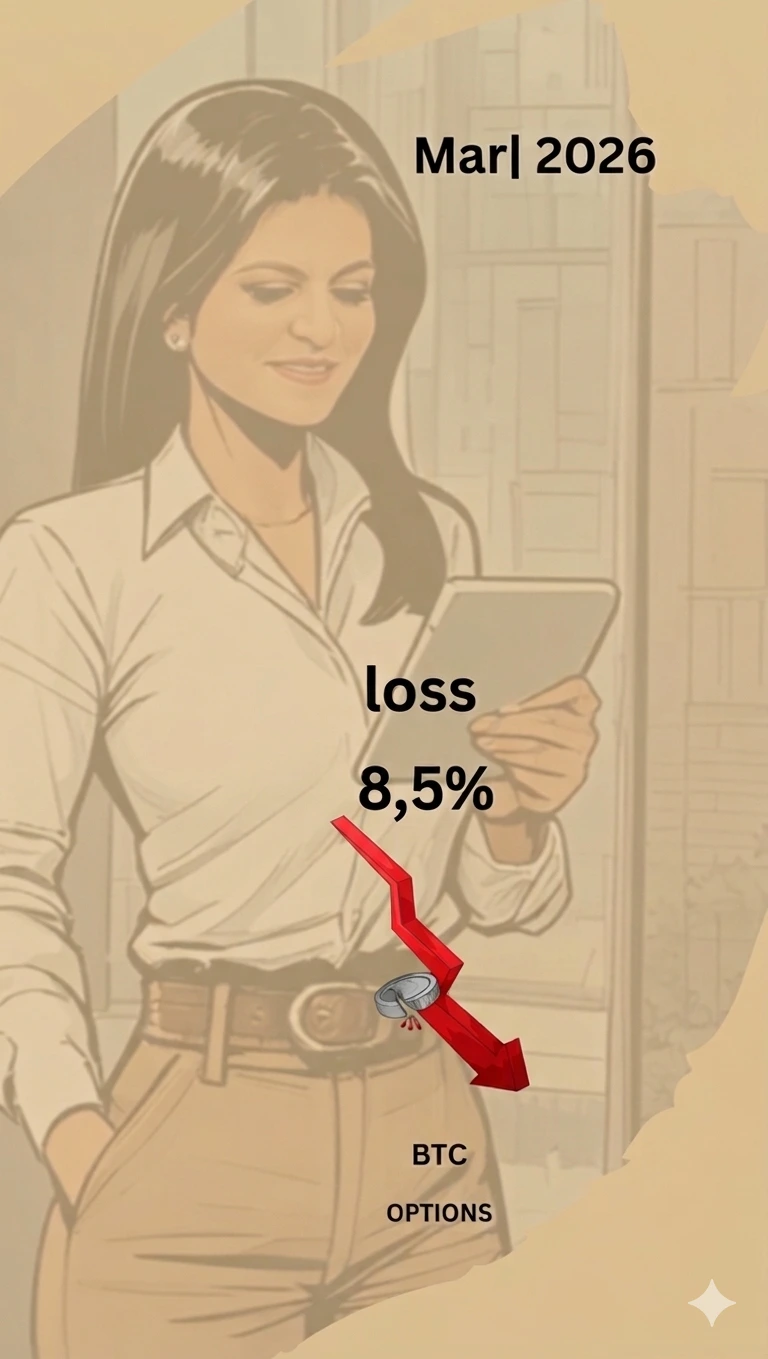
Dama Talk — Março 2026
Transparência e o Prejuízo de 8,5% no Capital BTC Options Loss Report
Nós utilizamos cookies para garantir que você tenha a melhor experiência em nosso site. Se você continua a usar este site, assumimos que você está satisfeito.