Can You Use Binance Card in China? (2026 Continental Access Guide)
The global financial landscape in 2026 is defined by a silent war between two distinct digital realities: the borderless, 24/7 liquidity of decentralized networks and the programmable, state-governed architecture of Central Bank Digital Currencies (CBDCs). For any modern traveler or digital entrepreneur looking to spend cryptocurrency in the People’s Republic of China, the challenge is not just technical; it is a direct encounter with the most sophisticated financial firewall on the planet.
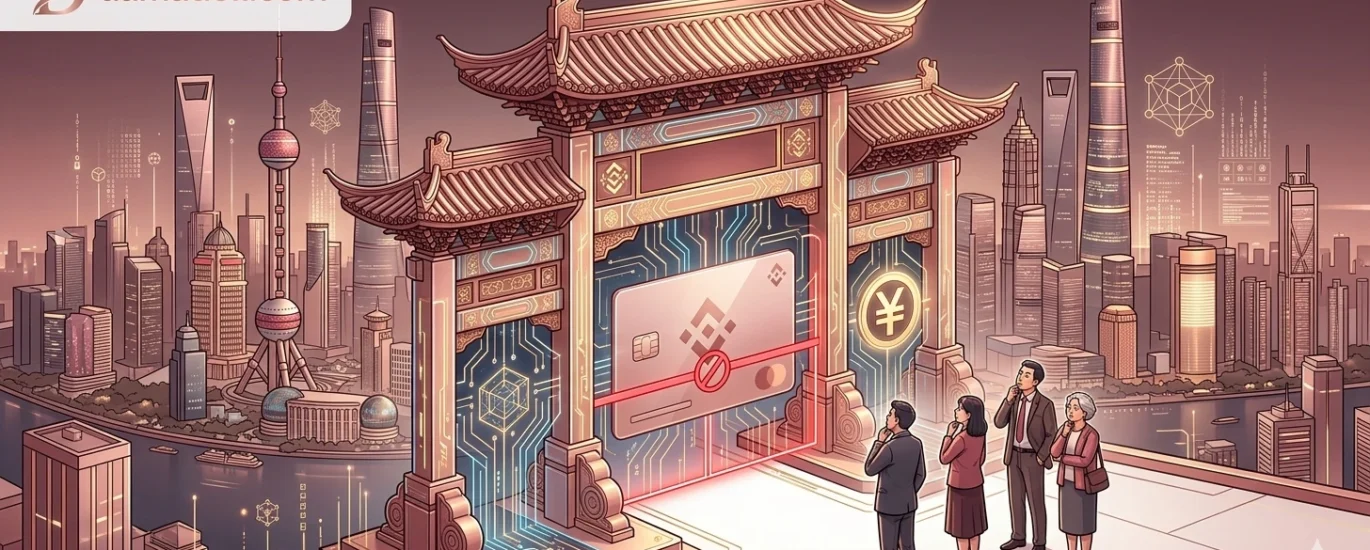
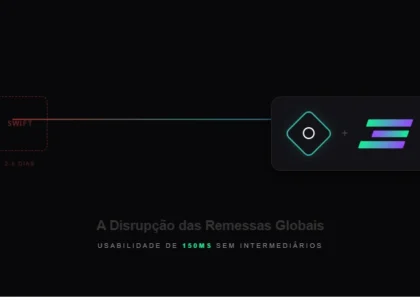
Mainland China remains a fortress of monetary sovereignty where the Binance Card, despite being a leader in the Web3 payment space, currently faces a total operational block. While the world watches the “New Money Route” evolve through networks like Solana and Bitcoin, China has successfully built its own digital mirror—the Digital Yuan (e-CNY)—designed specifically to eliminate the need for private, decentralized bridges.
For the community at DamaDeFi, understanding this impasse is crucial. The essence of our study lies in observing how a society that pioneered digital payments through WeChat Pay and Alipay has effectively decoupled its internal retail market from the global crypto-to-fiat rails. If you are holding a Binance Card, you are holding a tool of freedom that, within the borders of Mainland China, remains a “dark” asset with no authorized point of entry.
In this comprehensive 2026 guide, we analyze the regulatory mechanisms that prevent Binance from operating its card services in the subcontinent, the massive transaction volumes moving through shadow P2P markets, and the strategic alternatives for those who must navigate the Chinese economy. This is not just a guide on “if it works,” but an investigation into “why it is blocked” and how the global off-ramp movement is adapting to a centralized superpower.
Navigating China in 2026 requires more than a wallet address; it requires an understanding of the PBOC’s algorithmic surveillance and the strict separation between the offshore crypto world and the onshore digital Renminbi. Let us break down the walls of the Great Financial Firewall and explore the reality of crypto spending in the world’s largest cashless society.
1. The $1.2 Trillion Regulatory Impasse
By 2026, the People’s Bank of China (PBOC) has refined its 2021 ban into a sophisticated “VDA (Virtual Digital Asset) Filtering System.” While global crypto market caps have soared, China has focused on preventing capital flight. Estimates suggest that despite the ban, over $120 billion in crypto-value is moved annually via Chinese-linked OTC desks. However, the Binance Card operates on Visa/Mastercard rails, which require authorized domestic settlement in RMB—a process strictly forbidden under current FEMA (Foreign Exchange Management Act) protocols.
2. 24/7 On-Chain Liquidity vs. The e-CNY Monopoly
The beauty of the “New Money Route” is its 24/7 availability. On-chain transactions on networks like Solana or Ethereum never sleep. In contrast, China’s internal digital economy is now centered entirely on the Digital Yuan (e-CNY).
Transaction Volume: The e-CNY has surpassed 3.5 trillion RMB in retail volume in 2026.
The Conflict: Allowing a Binance Card to work would mean allowing a private, decentralized asset to compete with the sovereign digital currency. For the Chinese state, programmable money is about control and traceability; the Binance Card represents a “leak” in that control.
3. The “Shadow” P2P Market: A Risky Alternative
Since the card is blocked, many turn to P2P (Peer-to-Peer) markets. In 2026, Binance remains a leader in global P2P volume, but the Chinese “corridor” is a high-stakes game. The authorities use AI-driven pattern recognition to flag bank accounts that receive transfers from known crypto merchants. A single transaction of 1,000 USDT can trigger a “Social Credit” review or a total freeze of domestic banking assets.
4. Why Decentralization Still Matters: The Sarinha Perspective
As a founder who observes global shifts, I see China not as a failure of crypto, but as the ultimate stress test. The resilience of the “on-chain” universe is proven when it is blocked. While you cannot swipe your Binance Card at a coffee shop in Beijing, the value remains yours, accessible anywhere else in the world. This is the essence of DamaDeFi: studying the friction between old-world borders and the new digital fluidity.
Can I use a Binance Card in Shanghai today? No, POS terminals in mainland China do not support crypto-linked card settlement.
Is it illegal to own a Binance Card in China? Possession is not criminalized, but facilitating crypto-to-fiat transactions domestically is.
Does the card work in Hong Kong? Yes, Hong Kong has separate regulations and supports crypto card usage.
Can I withdraw RMB from a Chinese ATM with a Binance Card? No, the Visa/Mastercard crypto-rails are blocked by domestic clearing houses.
Does the Binance App work in China? Only through an obfuscated VPN; the app is DNS-poisoned by the Great Firewall.
What is the e-CNY? It is China’s official Central Bank Digital Currency (CBDC).
Can I link my Binance Card to Alipay? No, Alipay only supports cards from traditional, authorized banks.
Is P2P trading safe in China in 2026? It is high-risk; bank accounts are frequently frozen for “suspicious” P2P activity.
Why was Binance founded in Shanghai if it’s blocked? It was founded in 2017 but moved offshore within 90 days due to the initial ban.
Does the 30% tax rule from India apply in China? No, China does not tax crypto because it does not legally recognize it as a tradable asset.
Can I pay for a hotel in Beijing with crypto? Only if they have an offshore payment gateway, which is extremely rare and often illegal for the merchant.
What is the penalty for using crypto for payments in China? Fines for merchants and potential account freezes for individuals.
Is Tether (USDT) used in China? Yes, it is the primary “underground” liquidity for cross-border trade.
Can I use a VPN to make the card work? No, a VPN unblocks the app, but cannot bypass the physical POS terminal’s bank connection.
What is the “New Money Route”? A DamaDeFi term for 24/7 on-chain liquidity (Solana, Bitcoin, Stablecoins).
Why is the Digital Yuan a threat to Binance? Because it offers digital efficiency without decentralization.
Can I use a Binance Card in Macau? Yes, it operates under separate financial laws similar to Hong Kong.
Are there crypto ATMs in China? No, they were all removed by 2022.
What is the best way for a foreigner to spend money in China? Link a traditional Visa/Mastercard to a verified Alipay account.
Does Binance have a license in China? No.
Can I use Binance Pay in China? No, the merchant interface is blocked.
Will the ban ever be lifted? There are no signs of it in 2026; China favors the e-CNY.
✨ Olá! Eu sou a Jucely Damásio, mente inquieta por trás do canal Dama DeFi. Engenheira de profissão e apaixonada por finanças descentralizadas, encontrei no Bitcoin uma revolução silenciosa — e poderosa! 🚀
Aqui, compartilho minha jornada real: de uma pessoa comum construindo liberdade financeira com DCA diário (sim, compro BTC todos os dias — nem que seja $10 💸). Misturo aprendizados de livros como Pai Rico, Pai Pobre e Do Zero ao Milhão, com estratégias do mundo cripto como opções de BTC, blogs e renda digital.
Acredito que qualquer pessoa pode transformar a vida com tempo, estudo, disciplina e constância. Vem comigo descomplicar o mundo dos ativos digitais e provar que não é preciso ser gênio, herdeiro ou insider pra começar. É só dar o primeiro passo. 😉
#GastarBem #InvestirMelhor #GanharMais #DamaDeFi
Dama Talks | Lucros & Prejuízos
Dama Talk — Março 2026
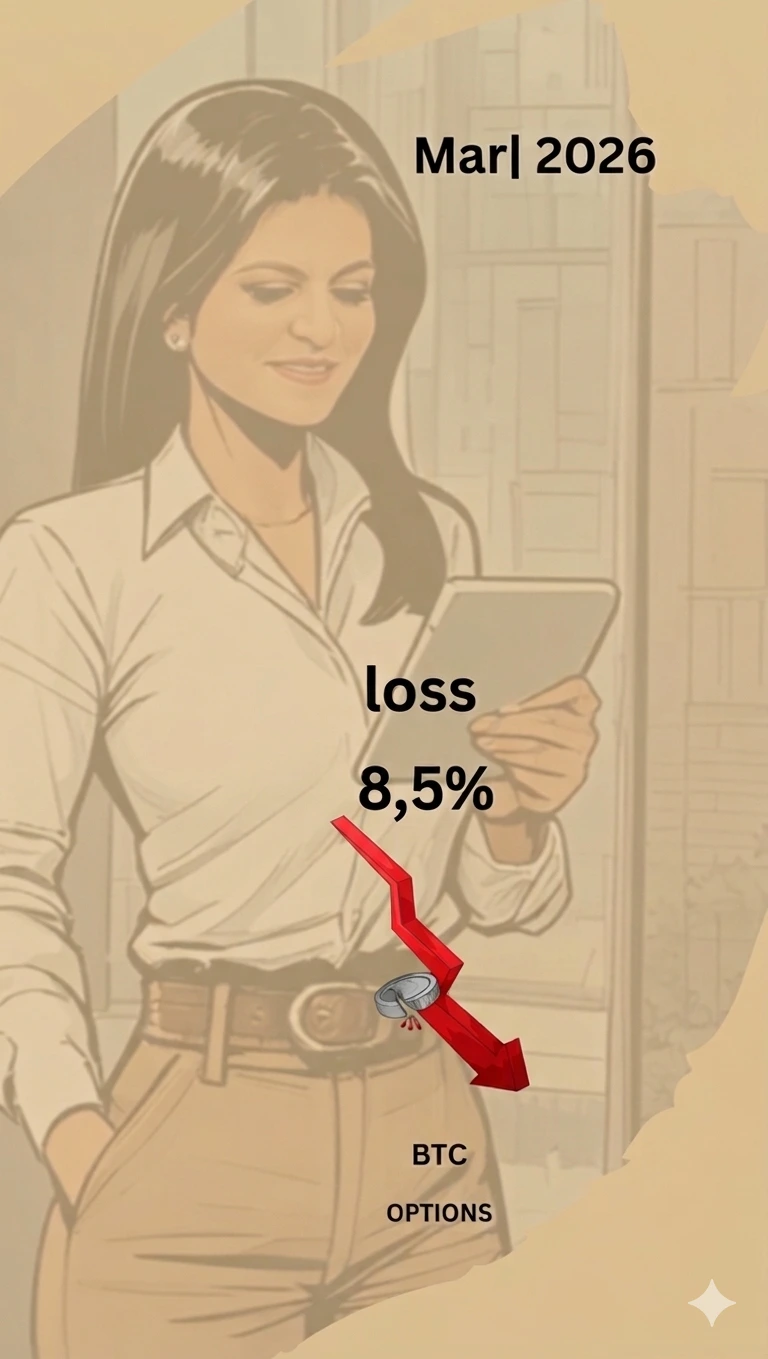
Transparência e o Prejuízo de 8,5% no Capital BTC Options Loss Report
Nós utilizamos cookies para garantir que você tenha a melhor experiência em nosso site. Se você continua a usar este site, assumimos que você está satisfeito.