The 2026 Solana LATAM Manifesto: Why Traditional Banking is Failing the Global South
In the rapidly shifting sands of the global financial economy of 2026, a new route for money is being carved out, and it doesn’t pass through the traditional halls of Wall Street or the centralized clearing houses of the SWIFT system. For the “sardines”—the everyday individuals seeking financial education and empowerment—the choice has become binary: remain tethered to a legacy system designed for friction and fee-extraction, or embrace the borderless, 24/7 liquidity of the Solana ecosystem. As the founder of DamaDeFi, I have observed thousands of data points that all point to a single conclusion: Latin America is the ultimate stress test for blockchain utility, and Solana is passing with flying colors where traditional banks have failed for generations.
The essence of the DamaDeFi philosophy is rooted in a simple, direct, and decentralized approach to wealth. We don’t view DeFi as a playground for speculative traders, but as a revolutionized financial market where every transaction is a sovereign remittance of value. Whether it’s a $10 daily DCA into Bitcoin or a cross-border transfer of stablecoins, the underlying infrastructure must be resilient, fast, and, above all, inclusive. Solana, with its sub-second finality and near-zero transaction costs, is not just a technology; it is the “PIX of the world,” offering a level of standardization and simplicity that reduces costs for common people while opening doors to sophisticated financial operations like liquidity pools and synthetic dividends.
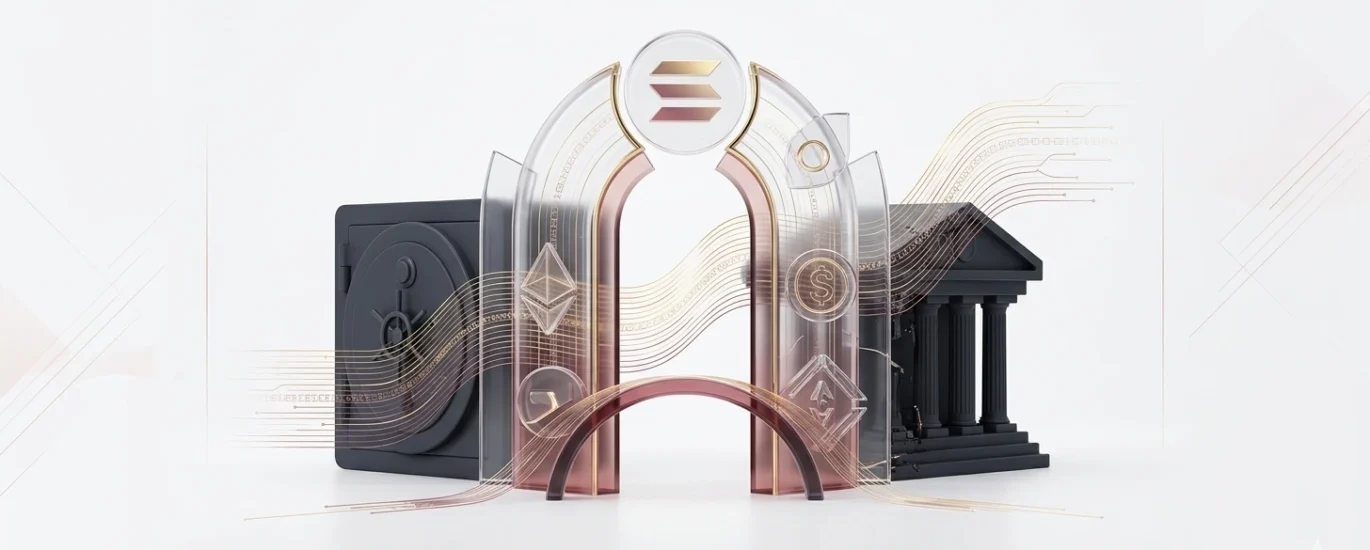
In 2026, the movement toward tokenization is no longer silent. Every asset, from real estate to intellectual property, is being migrated to on-chain rails. This presents a massive opportunity for succession planning—a historical pain point in Latin America that DamaDeFi is committed to solving. By utilizing Solana’s high-speed architecture, we can now engineer inheritance solutions and asset transfers that bypass the bureaucratic nightmare of traditional legal systems. This manifesto serves as the technical and cultural blueprint for the new money route, explaining why Solana is the definitive choice for the Global South and how you can position yourself to be a pioneer in this decentralized era.
To understand the magnitude of this change, one must look at the math of traditional banking. A standard international remittance to Brazil or Mexico in 2026 still carries hidden spreads of up to 5% and takes days to settle. In contrast, an SPL-token transfer on Solana settles in the time it takes to blink, for a cost so low it’s practically invisible. This isn’t just an improvement; it’s a total replacement of the outdated financial guardrails. We are building a system where the “sardine” has the same access to high-yield vaults and institutional-grade tools as the biggest players in the market. This is the DamaDeFi promise.
As I seek to become a Solana Ambassador for LATAM, my mission is to bridge the gap between complex engineering and everyday usability. We are observing a global movement where the friction of the past is being burned away by the efficiency of the present. This article will deep-dive into the regulatory landscape, the transactional volumes of the LATAM market, and the specific operations—like Bitcoin options and liquidity mining—that are turning everyday observers into sophisticated financial engineers. Welcome to the new money route.
In 2026, Latin America has surpassed a cumulative $2 trillion in on-chain transaction volume. This isn’t driven by speculation, but by utility.
Remittance Volume: Over 35% of remittances from the USA to Brazil and Mexico are now settled via stablecoins (USDC/PYUSD) on Solana.
24/7 Liquidity: Unlike the SWIFT system, which closes on weekends and holidays, Solana operates 24/7, 365 days a year. This “always-on” liquidity is vital for businesses managing tight cash flows in volatile economies.
While PIX revolutionized Brazil, it is still a centralized tool. Solana Pay takes that essence—instant, free, and simple—and applies it globally.
Cost Reduction: A typical cross-border bank transfer costs $30-$50 in fees. A Solana transfer costs $0.00025.
Simplicity: By standardizing transactions through SPL tokens, we eliminate the need for complex currency conversions at the merchant level.
💡 The New Money Route: Stop overpaying for gas. Discover Why Solana is the Global Pix of Blockchains and how to save 99% in fees compared to Ethereum. Read the full guide with real numbers:[Click to Access] — “Simple, direct, and decentralized.”
Solana as the Global Pix: Cutting Transaction Fees by 99% vs. Ethereum (A 2026 Practical Guide with Real Numbers)
3. Succession Planning and Tokenization
The “silent” market of tokenization is the biggest opportunity for 2026.
Legacy Management: Using multi-sig vaults on Solana, DamaDeFi is exploring how to secure assets for future generations without the 40% “death tax” traps found in traditional systems.
The New Vaults: We are moving from simple saving to automated vaults that generate yield while protecting the principal.
💡 DamaDeFi Pillar
Binance Card Global Guide 2026: Where It Works and Where It Doesn’t“Simple, direct, and decentralized.”[Read the Full Pillar Guide Here]
FAQ: Solana, LATAM, and the New Money Route (30 Q&A)
What is the “New Money Route”? It’s the DamaDeFi term for 24/7, decentralized on-chain financial rails.
Why is Solana the best for LATAM? Low fees, high speed, and a resilient validator network.
Is Solana faster than PIX? Yes, in terms of finality and global reach, Solana settles faster than international banking rails.
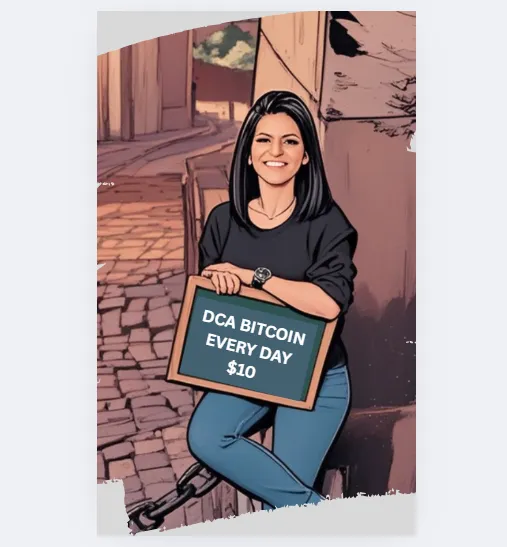
Can I use Solana for a $10 daily DCA? Absolutely; the fees are low enough that they don’t eat your investment.
What is a “Synthetic Dividend”? Income generated through options strategies (like covered calls) on your BTC/SOL holdings.
How does DamaDeFi view risk? Through an engineering lens: we study the protocol, the audit, and the liquidity before entering.
Is tokenization legal in Brazil? In 2026, VASP regulations have made tokenized assets a regulated financial reality.
What is the best wallet for Solana in 2026? Phantom and Solflare remain the gold standards for UX.
✨ Olá! Eu sou a Jucely Damásio, mente inquieta por trás do canal Dama DeFi. Engenheira de profissão e apaixonada por finanças descentralizadas, encontrei no Bitcoin uma revolução silenciosa — e poderosa! 🚀
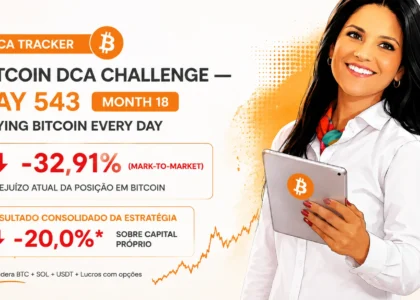
Aqui, compartilho minha jornada real: de uma pessoa comum construindo liberdade financeira com DCA diário (sim, compro BTC todos os dias — nem que seja $10 💸). Misturo aprendizados de livros como Pai Rico, Pai Pobre e Do Zero ao Milhão, com estratégias do mundo cripto como opções de BTC, blogs e renda digital.
Acredito que qualquer pessoa pode transformar a vida com tempo, estudo, disciplina e constância. Vem comigo descomplicar o mundo dos ativos digitais e provar que não é preciso ser gênio, herdeiro ou insider pra começar. É só dar o primeiro passo. 😉
#GastarBem #InvestirMelhor #GanharMais #DamaDeFi
Dama Talks | Lucros & Prejuízos
Dama Talk — Março 2026
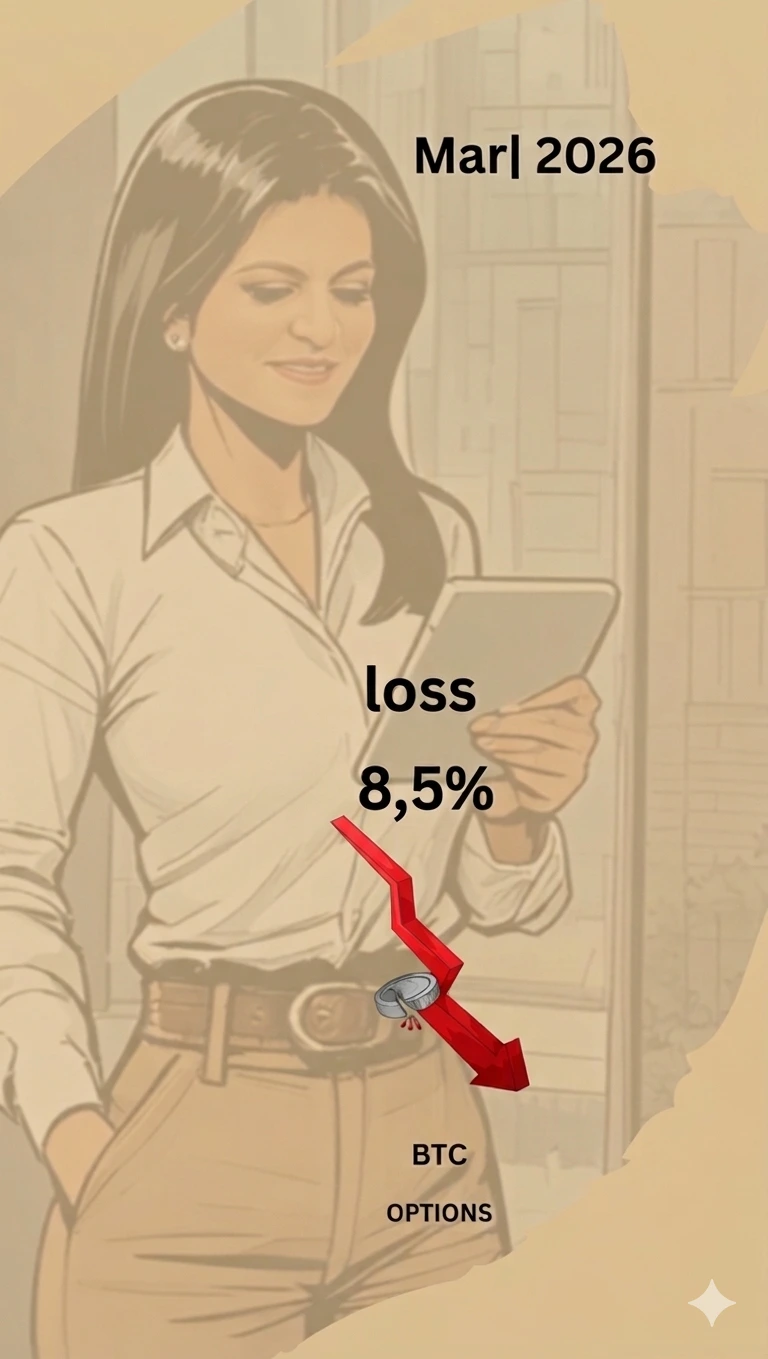
Transparência e o Prejuízo de 8,5% no Capital BTC Options Loss Report
Nós utilizamos cookies para garantir que você tenha a melhor experiência em nosso site. Se você continua a usar este site, assumimos que você está satisfeito.