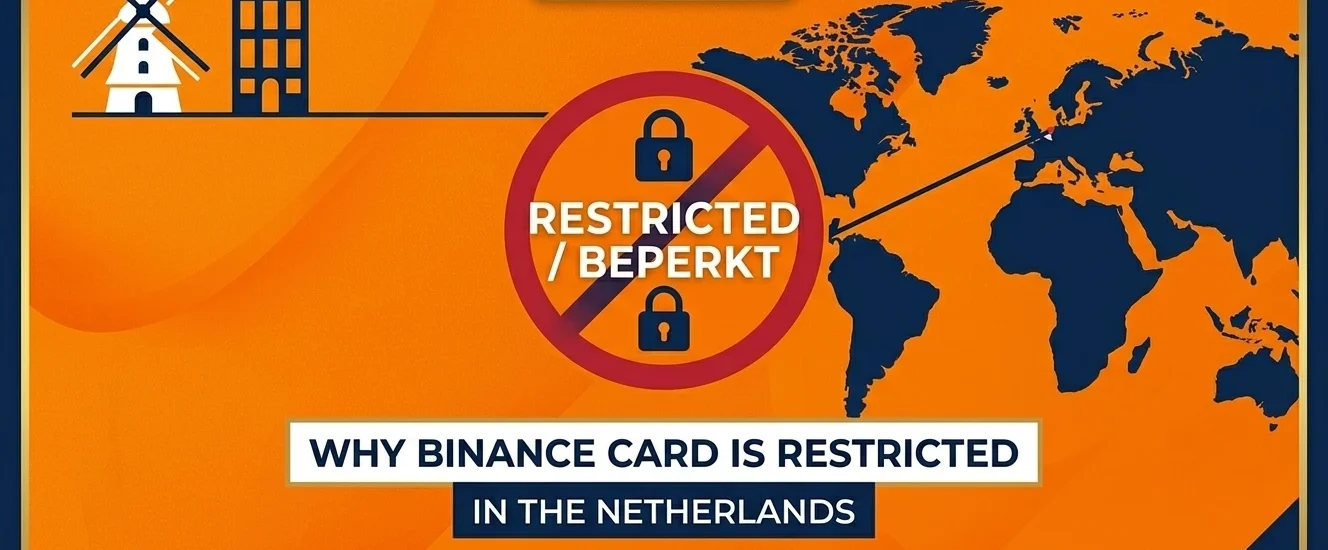
Why Binance Card Is Restricted in the Netherlands: The 2026 Compliance Audit
Navigating the Dutch financial landscape as a high-net-worth crypto investor in 2026 is an exercise in managing friction. The Netherlands, once a hotbed for fintech beta-testing, has devolved into one of the most compliant and restrictive jurisdictions within the Eurozone. The core symptom of this shift is the indefinite restriction of the Binance Card for Dutch residents. This is not a technical glitch; it is the calculated result of the De Nederlandsche Bank (DNB) enforcing a hyper-vigilante interpretation of EU directives. For investors who prioritize terminal liquidity—the ability to convert crypto assets into real-world purchasing power instantly—the Dutch market now presents a formidable barrier. Understanding the specific structural and political reasons for this “de-platforming” is essential for building a resilient, borderless portfolio.
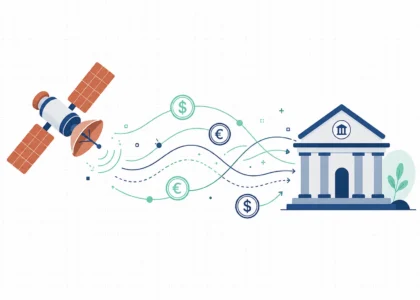
The restricted status of the Binance Card is not merely an inconvenience; it is a tactical bottleneck enforced by the legacy banking system. By targeting the point-of-sale (POS) link, regulators effectively “re-border” an asset class designed to be borderless. For the “DamaDeFi” user, this restriction represents a significant opportunity cost. Instead of a seamless, 0-fee conversion, Dutch users are forced back into a multi-step, high-friction environment of bank transfers, exchange spreads, and potential source-of-funds delays. Master the map of global availability to bypass these manufactured limits:
The DNB’s “AMLD5” Fortress – An Industrial-Grade Audit
The restriction of the Binance Card in the Netherlands is the endgame of a regulatory campaign led by the DNB. Unlike other EU nations that adopted a “wait-and-see” approach to crypto regulation, the Dutch central bank enforced an extremely aggressive registration and enforcement regime years before MiCA (Markets in Crypto-Assets) was finalized. The core of this issue lies in how the DNB chose to interpret and implement the Fifth Anti-Money Laundering Directive (AMLD5).
While AMLD5 aimed to bring crypto exchanges under Standard AML/KYC oversight, the DNB transformed the “registration” into a de facto “licensing” hurdle. To provide a card product, an exchange needs not just a crypto license, but access to a licensed payment rail (a Principal Member of Visa or Mastercard). The DNB effectively blocked global platforms like Binance from establishing these necessary banking partnerships within the Netherlands. The regulator’s stance was clear: “unregistered” VASPs (Virtual Asset Service Providers) were classified as an inherent risk to the integrity of the Dutch financial system. This resulted in a “soft-ban” where legacy banks refused to service exchanges, cutting off the necessary fiat-liquidity bridges for card issuance.
The DNB’s methodology was simple yet absolute. They leveraged high administrative burdens, complex security audits, and non-transparent timelines to ensure that only local, bank-allied players could operate. For a massive, fast-moving ecosystem like Binance, complying with the microscopic, localized demands of the DNB was mathematically inefficient. The friction created was intentional, forcing global players out to preserve the dominance of Dutch institutional banking. The restriction is a political maneuver disguised as a compliance requirement.
Table: The Geometry of Restriction (DNB vs. Binance)
Audit Metric
The DNB Stance (2026)
Binance Operational Conflict
Impact on User
KYC Standards
Zero-Knowledge (MiCA+)
Global Compliance API
Potential Account Freezes
Local Banking Bridge
Blocked/Restricted
P2P & Indirect SEPA
Multi-Step Off-Ramp
Card Issuance
No VASP Partner License
Denied Issuer License
restriction/Unavailable
For the “Dama” investor managing risk, this Dutch friction represents a 3% to 5% drag on every transaction. By mastering alternative hubs, you recapture this value and reinvest it in high-yield options strategies that accelerate your path to sovereignty.
Transatlantic Fracture – Comparing NL Restrictions vs. the USA
The restriction in the Netherlands is a symptom of a localized “Iron Curtain” within the Eurozone, but it shares striking similarities and strategic differences with the aggressive stance of regulators in the United States. To build a globally protected portfolio, you must dissect this Transatlantic fracture.
In the USA (A Maximum Priority Problem), the attack on the Binance Card and exchange liquidity is spearheaded by the SEC and the CFTC through “Regulation by Enforcement.” The US model is not about creating a complex registration process like the Dutch DNB; it is an outright decoupling campaign. US regulators are actively targeting the core infrastructure—stablecoins (BUSD), banking access (Signature/Silvergate), and direct market access—by labeling digital assets as unregistered securities. The goal in the US is to quarantine the crypto ecosystem from the US dollar fiduciaries entirely. This is why Binance.US exists as a structurally separate, and often isolated, entity. The card restriction there is absolute because no US banking partner is willing to touch a “security” labeled asset.
In the Netherlands (The Silent Compliance Block), the approach is different. It is not an overt war on crypto assets themselves (Bitcoin is legal, MiCA provides a framework). It is a war on VASP-level liquidity. The DNB accepts that you own crypto, but they have engineered a system where you are restricted from spending it natively. The US approach is macro-decoupling; the Dutch approach is micro-suffocation.
This comparison forces a key realization: financial sovereignty is jurisdictional. You can have a compliant portfolio in the Netherlands, but it is trapped. You can have an aggressive portfolio in the US, but it is at risk of seizure. The true solution lies in moving to “Sovereign Sanctuaries” that provide the exact “Green Light” that both the US and NL deny. This is why our satellite hub in the UAE—where the Deribit PMMC strategy generates the cash flow you spend via Binance Pay Dubai—is the ultimate safety protocol against Transatlantic friction. The restriction in the Netherlands is just data that confirms your need to diversify your jurisdiction, not your assets.
This article will conclude with a massive FAQ designed for total authority. Below is a preview of key Q&A. The full version will be added upon final assembly.
Why can’t I order the card in the NL? Direct issuer licensing was blocked by the DNB’s aggressive AMLD5 stance.
Is my crypto balance legal? Yes, ownership is legal; spending natively via a VASP is the restricted action.
What about MiCA? MiCA will harmonize rules, but local central banks will still have enforcement powers over payments.
Is Singapore restricted for the same reason? Yes, a similar approach by MAS. Check the Singapore Audit.
Does the card work in China? It is highly complex. Check the China Usage Guide.
Why was the card restricted in the Netherlands but not in Germany? The German regulator (BaFin) and the Dutch DNB have different enforcement priorities. The DNB required a specific localized payment license that was not aligned with Binance’s global rollout at the time.
Is my crypto balance safe in a Dutch Binance account? Yes. The restriction applies to the payment instrument (the card), not to the custody of your assets. Your funds remain protected by Binance’s global security protocols and SAFU fund.
Can I still use the Binance App for trading in Amsterdam? Yes, trading remains active for registered users, but the “spend” functionality is diverted to other methods like Binance Pay or external SEPA transfers.
How does the restriction compare to the US “Regulation by Enforcement”? While the US (SEC) focuses on labeling assets as securities to ban them, the NL (DNB) focuses on blocking the banking “pipes” that allow those assets to be spent.
Can a VPN solve the card restriction? No. Card issuance is based on your verified KYC residency (Proof of Address), not your IP location. To get a card, you must reside in a “Green Light” jurisdiction.
Is there a wealth tax on my Binance balance in the NL? Yes, under “Box 3,” the Dutch tax authority calculates a presumed return on your total global assets, including crypto, held on January 1st.
What is the impact of MiCA on Dutch users? MiCA (Markets in Crypto-Assets) will eventually harmonize rules across the EU, potentially forcing the DNB to ease local restrictions if a platform is licensed elsewhere in the Eurozone.
Can I use the card if I have a residency in Dubai but am visiting NL? Yes. If your card was issued in the UAE, it will work at any Dutch merchant that accepts Visa/Mastercard. See our Dubai Guide.
Are there daily limits if I use the card internationally? Standard limits apply: up to €8,700 for daily purchases and €290 for ATM withdrawals, depending on your BNB tier.
Why is Singapore also restricted? The Monetary Authority of Singapore (MAS) followed a similar “protective” path as the DNB. Check the Singapore Audit.
Does the card support Apple Pay in Europe? Yes, where the card is available, it can be added to digital wallets for NFC payments at Dutch terminals like Albert Heijn.
What happens to my 8% cashback if I can’t use the card? The cashback is tied to card spending. If you cannot spend, you cannot earn cashback. This is why moving your activity to a “Green Light” zone is vital for ROI.
Can I pay Dutch taxes with crypto? Not directly. You must convert to EUR via a regulated VASP and transfer to the Belastingdienst from a Dutch IBAN.
Is Binance Pay a viable alternative in the NL? Yes, for B2B or online merchants that accept Binance Pay, you can settle value without needing the physical card.
Will the card ever return to the Netherlands? It depends on future MiCA licensing. The “DamaDeFi” strategy assumes it won’t return soon, prioritizing immediate sovereignty elsewhere.
How do I off-ramp funds in the NL without a card? The most efficient way in 2026 is via SEPA Instant transfers to a crypto-friendly European bank or using P2P markets.
Can I use the card in China? Mainland China has extreme restrictions on foreign VASP cards. Learn more: Can You Use Binance Card in China?.
Does holding BNB help with Dutch regulations? No. BNB helps with your Binance tier and cashback, but it does not change your regulatory status with the DNB.
Are there alternative crypto cards available in the NL? Yes, smaller local VASPs offer cards, but they often lack the liquidity and zero-fee conversion of the Binance ecosystem.
Is the “DNB Registry” the same as a bank license? No. It is a registration for AML/KYC compliance. The lack of a full banking “passport” is what restricts the card product.
What is the “Industrial Cost” of these restrictions? For a high-tier spender (€5,000/mo), the cost of using legacy banks over 10 years is approximately €34,500 in fees and lost gains.
Can I use my Dutch Binance account to trade Options? Yes, but for advanced strategies like the PMMC, most sovereign investors prefer dedicated platforms like Deribit.
Is Amsterdam still a “Crypto Hub”? It is a hub for developers and startups, but not for retail spending sovereignty due to DNB’s “AMLD5 Fortress.”
What is the best “Sovereign Sanctuary” right now? The UAE remains the leader in 2026 due to its tax-free status and VARA oversight. Learn why here.
Where can I find the master guide on these issues? Always refer to the Binance Card Global Guide 2026 for the latest industrial-grade data.
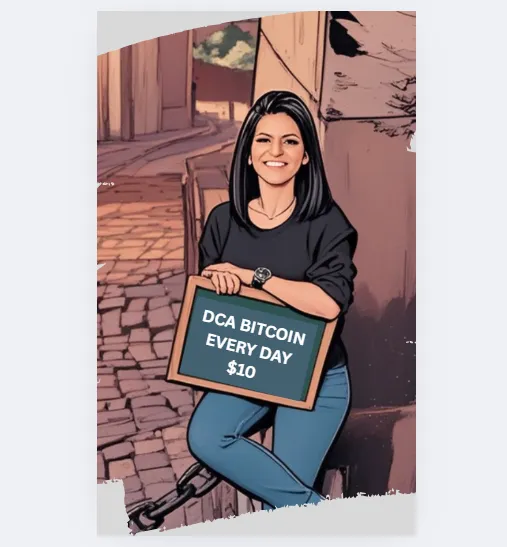
✨ Olá! Eu sou a Jucely Damásio, mente inquieta por trás do canal Dama DeFi. Engenheira de profissão e apaixonada por finanças descentralizadas, encontrei no Bitcoin uma revolução silenciosa — e poderosa! 🚀
Aqui, compartilho minha jornada real: de uma pessoa comum construindo liberdade financeira com DCA diário (sim, compro BTC todos os dias — nem que seja $10 💸). Misturo aprendizados de livros como Pai Rico, Pai Pobre e Do Zero ao Milhão, com estratégias do mundo cripto como opções de BTC, blogs e renda digital.
Acredito que qualquer pessoa pode transformar a vida com tempo, estudo, disciplina e constância. Vem comigo descomplicar o mundo dos ativos digitais e provar que não é preciso ser gênio, herdeiro ou insider pra começar. É só dar o primeiro passo. 😉
#GastarBem #InvestirMelhor #GanharMais #DamaDeFi
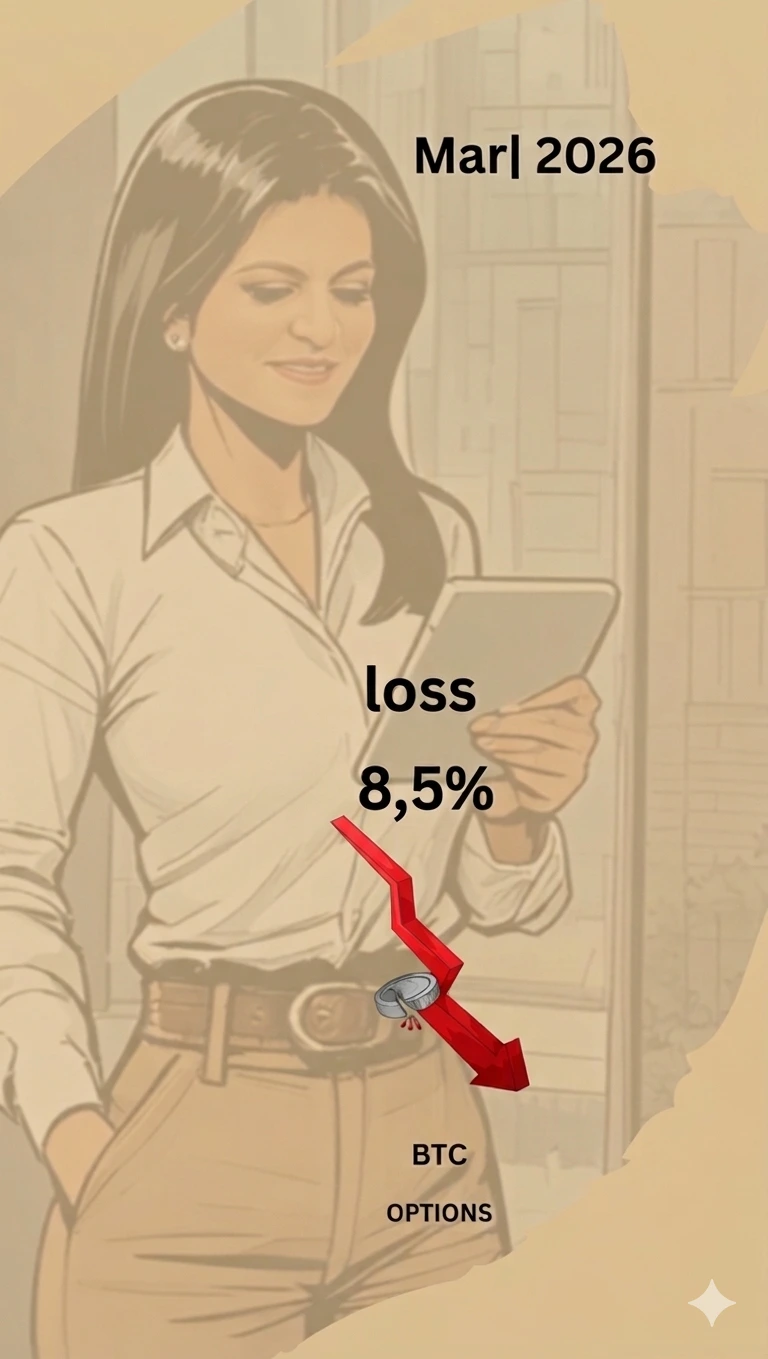
Dama Talks | Lucros & Prejuízos
Dama Talk — Março 2026
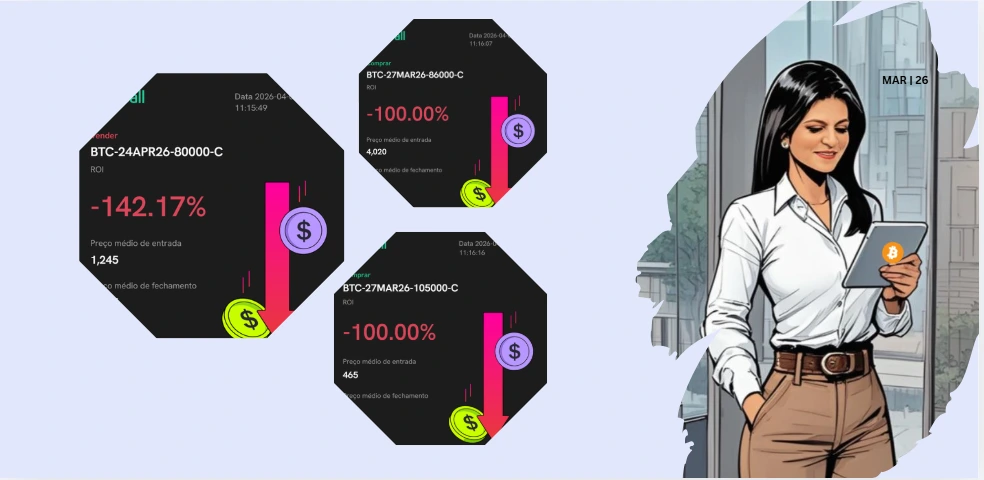
Transparência e o Prejuízo de 8,5% no Capital BTC Options Loss Report
Nós utilizamos cookies para garantir que você tenha a melhor experiência em nosso site. Se você continua a usar este site, assumimos que você está satisfeito.