
As investors who have navigated the “crypto winters” of 2022 and 2024, we know that the only thing that separates a project from a ghost chain is velocity. Velocity isn’t about how many people are holding a token; it’s about how often that token moves in exchange for real-world value. We aren’t just writing about the Pi Network from a journalistic distance—we are active participants analyzing the network’s Total Value Locked (TVL) and peer-to-peer liquidity. Having skin in the game means we value utility over hype. In 2026, the question is no longer “When Mainnet?” but “What can I buy with my migrated balance today?”
The Infrastructure of Pi Commerce: SDKs and the Pi Browser
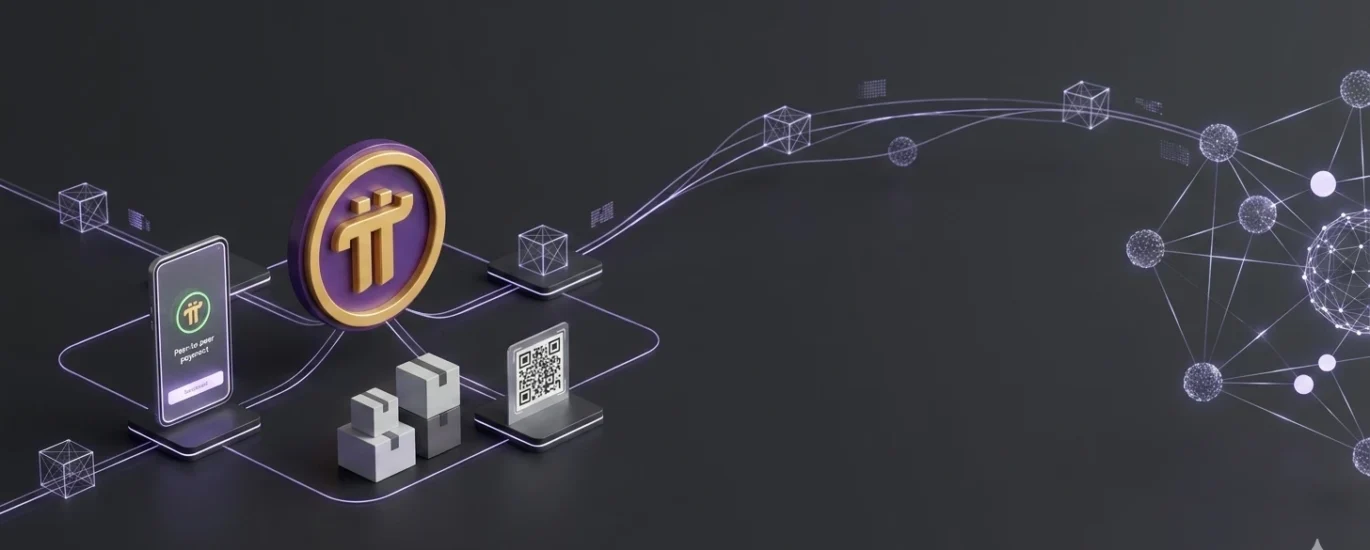
The shift from a “mining app” to a commerce-ready protocol happened through the rigorous deployment of the Pi Developer SDK. In 2026, the Pi Browser serves as the primary gateway for commerce. Unlike traditional Web3 wallets that require complex “connect” protocols, the Pi Wallet is natively integrated into the commerce dApps, reducing transaction friction—a critical metric for mass adoption.
Protocol Security and Transaction Integrity
From a technical standpoint, Pi Commerce relies on the Stellar Consensus Protocol (SCP) to handle micro-transactions with near-zero fees. This makes it more viable for purchasing a cup of coffee than Ethereum or Bitcoin. Security audits have focused on the “Payment Flow” API, ensuring that when a Pioneer sends Pi to a merchant, the transaction is atomic—it either succeeds completely or fails without losing funds. This level of protocol-level security is what allows small business owners to trust the “Enclosed Mainnet” environment.
Real-World Use Cases: Where the Pi Moves
In 2026, Pi Commerce has moved beyond digital stickers into tangible goods and services. The growth is primarily concentrated in three sectors: Localized P2P Marketplaces, Service-for-Pi platforms, and the burgeoning “Pi Mall” ecosystem.
Localized P2P Marketplaces
In regions across Southeast Asia, West Africa, and parts of Latin America, Pi is being used as a medium of exchange in physical stores. Merchants display “Pi Accepted Here” QR codes. These transactions are strictly P2P, meaning they occur directly between the user’s Mainnet wallet and the merchant’s wallet. This is where we see the highest transactional velocity, as users spend Pi on everyday essentials like groceries, mobile data, and electronics.
| Commerce Type | Platforms | Transaction Speed | KYC Required? |
| Global Mall | PiChainMall, PiBarterMall | < 5 Seconds | Yes (for Migration) |
| Local P2P | QR-based Street Vendors | Instant | Yes |
| Digital Services | Freelance Platforms (WorkForPi) | < 10 Seconds | Yes |
Service-for-Pi (Freelancing)
A significant portion of the 2026 Pi economy is driven by digital labor. Platforms like WorkForPi allow developers, graphic designers, and writers to offer their services in exchange for Pi tokens. This creates a “Learn and Earn” cycle where the value of the token is backed by productive human output rather than speculative trading. For an investor, this “Labor-Backed Value” is a much stronger fundamental than simple social media engagement.
Risks, Volatility, and the “Barter” Exchange Rate
Because Pi is not yet traded on major external exchanges with a unified USD price, the “price” of goods is determined by Consensus Value. This introduces a unique set of risks for both the consumer and the merchant.
The Pricing Dilemma
Currently, different marketplaces may value Pi differently. A smartphone might cost 50 Pi in one “Mall” and 500 Pi in another. This fragmentation is a hallmark of an emerging economy. Merchants take a significant risk regarding future liquidity; they are essentially betting that when the Open Mainnet launch occurs, the value of the Pi they collected will exceed the cost of the goods they sold.
Risk Comparison: Spending vs. Holding
| Category | Spending Pi (Commerce) | Holding Pi (Staking/Nodes) |
| Liquidity Risk | High (Goods are final, Pi is locked) | Moderate (Waiting for Open Mainnet) |
| Purchasing Power | Variable (Based on Merchant) | Speculative (Market driven) |
| Security Risk | Low (Internal Pi Browser) | Medium (Requires Node Uptime) |
| Regulatory Risk | Minimal (P2P Barter) | Higher (Exchange Compliance) |
How to Spend Your Pi: A Technical Walkthrough
If you have migrated your balance to the Mainnet, spending your Pi in 2026 involves a specific protocol-compliant process to ensure security.
- KYC & Migration: You cannot spend “Mobile Balance.” Your Pi must be moved to the Mainnet Wallet in the Pi Browser.
- Locate a Verified dApp: Access the Pi Browser and use the
ecosystem.pidirectory to find audited marketplaces like PiChainMall. - Check the “Lockup” Status: Ensure the Pi you intend to spend is not part of your “staked” or “locked” balance.
- Initiate Payment: When purchasing, the dApp will trigger a “Sign Transaction” prompt. Always verify the recipient’s wallet address (
G...) before confirming with your biometric or passphrase. - Confirm on Block Explorer: You can verify your transaction on the
minepi.com/blockexplorerto ensure it has been finalized on the chain.
By following this “Learn and Earn” approach, Pioneers transition from passive miners to active economic agents. This transition is what builds the TVL necessary for institutional interest once the 2026 Open Mainnet window opens.
People Also Ask (FAQ)
- Can I spend Pi on Amazon or eBay?No, Pi is not currently an official payment method for major retail giants. You must use Pi-native marketplaces.
- Is it legal to buy goods with Pi?In most jurisdictions, trading tokens for goods is considered a “barter transaction” and is legal, though tax obligations may apply.
- What is the “Consensus Price” of Pi?There is no official price; it is determined by the mutual agreement between the buyer and seller in the marketplace.
- Do I need to pay gas fees in Pi?Yes, every transaction on the Pi blockchain costs a nominal fee (usually 0.01 Pi) to prevent network spam.
- Can I buy a car with Pi?While there have been reported P2P sales of vehicles for Pi, these are rare and depend entirely on finding a private seller.
- Are Pi Malls safe?Only use malls listed in the official Pi Browser ecosystem. Beware of third-party websites asking for your passphrase.
- What happens if a merchant scams me?Blockchain transactions are irreversible. Always use marketplaces with an escrow system to protect your funds.
- Can I spend my “Unverified Balance”?No, only the balance migrated to your Mainnet wallet after passing KYC is spendable.
- Which country has the most Pi shops?Vietnam, China, and Nigeria currently show the highest density of merchants accepting Pi.
- Can I use Pi to buy digital gift cards?Yes, several dApps in the Pi Browser offer gift cards for platforms like Netflix or Steam in exchange for Pi.
- How do I find local shops that accept Pi?Use the “Pi Map” dApp in the Pi Browser to find geolocated merchants in your area.
- Is there a limit on how much Pi I can spend?The only limit is your available, unlocked Mainnet balance.
- Do I need an internet connection to spend Pi?Yes, the Pi Wallet requires a connection to reach the Stellar-based consensus nodes.
- Is my passphrase required to pay?You use your passphrase or biometrics to sign the transaction, but you should never give the passphrase itself to a merchant.
- Can I return an item bought with Pi?Return policies are at the discretion of the individual merchant; there is no protocol-level “refund” button.
- Why are some items so expensive in Pi?Pricing reflects the seller’s personal risk assessment and their belief in the future value of the token.
- Is Pi Commerce taxable?Most tax authorities (like the IRS) treat crypto-for-goods transactions as a taxable event based on the fair market value.
- Will Pi spending be easier after the 2026 Open Mainnet?Yes, as external liquidity increases, price stability will likely improve, making commerce more predictable.